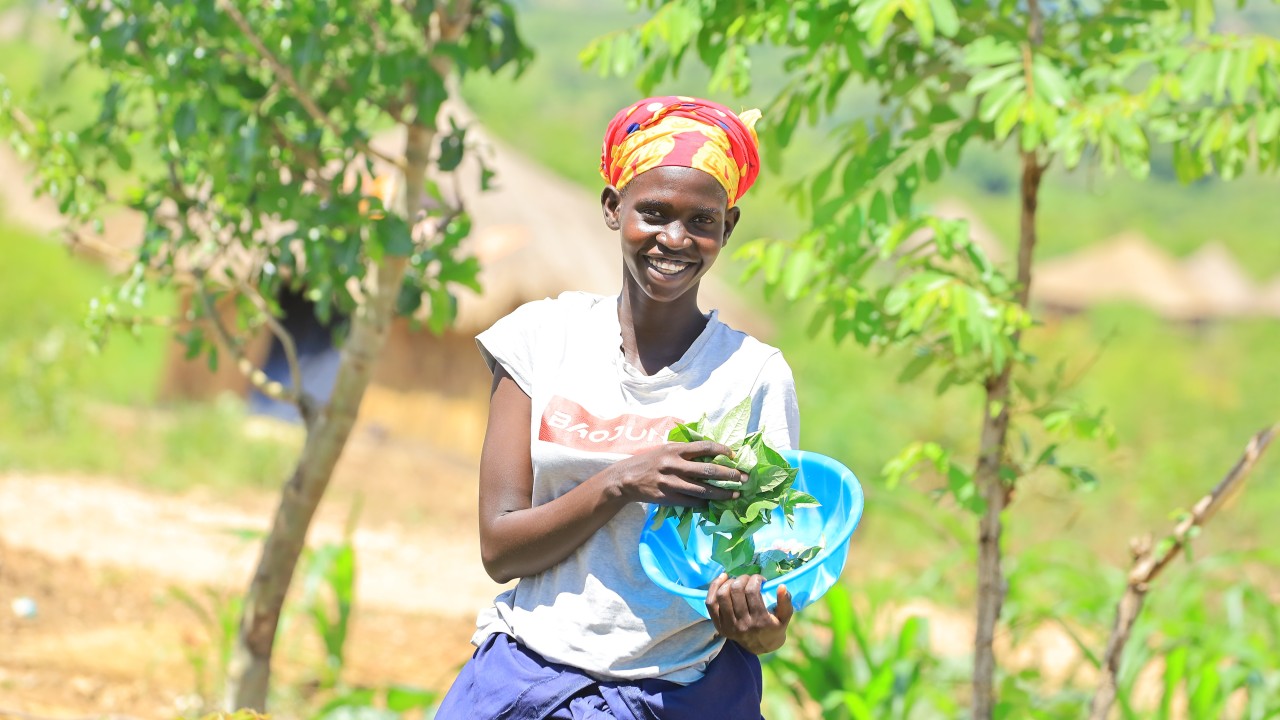
“Today I can support my family and pay school fees for my children. I feel proud not only because I earn, but because I now guide others.” – Driciru Bella
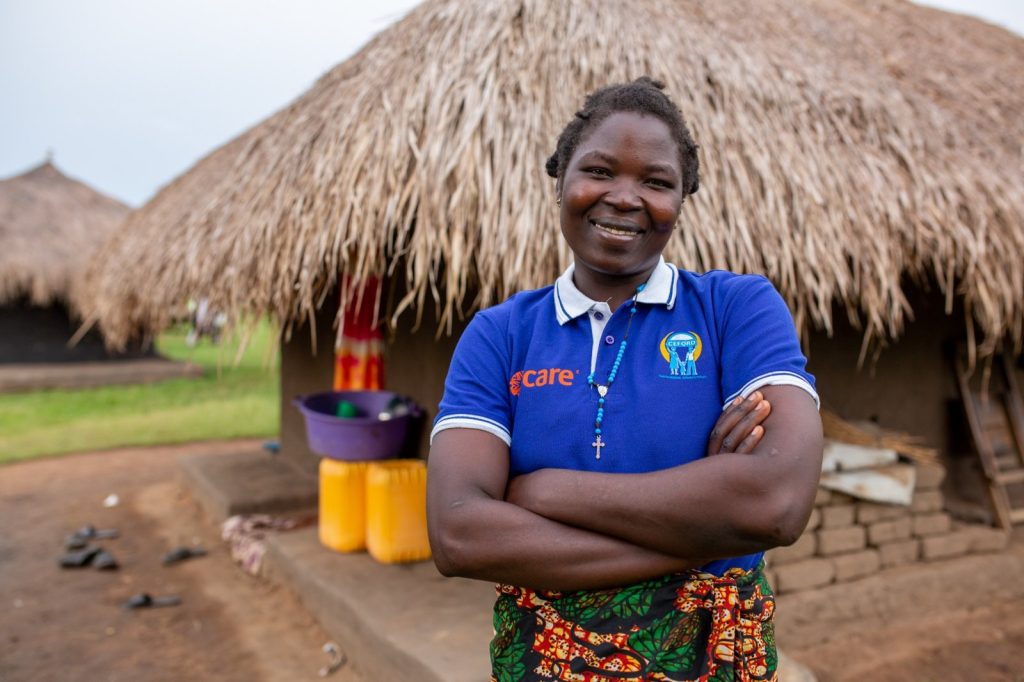
Driciru Bella, a 35-year-old mother of five from Omugo Sub-county in Terego District, has grown from financial dependence to a confident community leader.
Starting with Limited opportunities
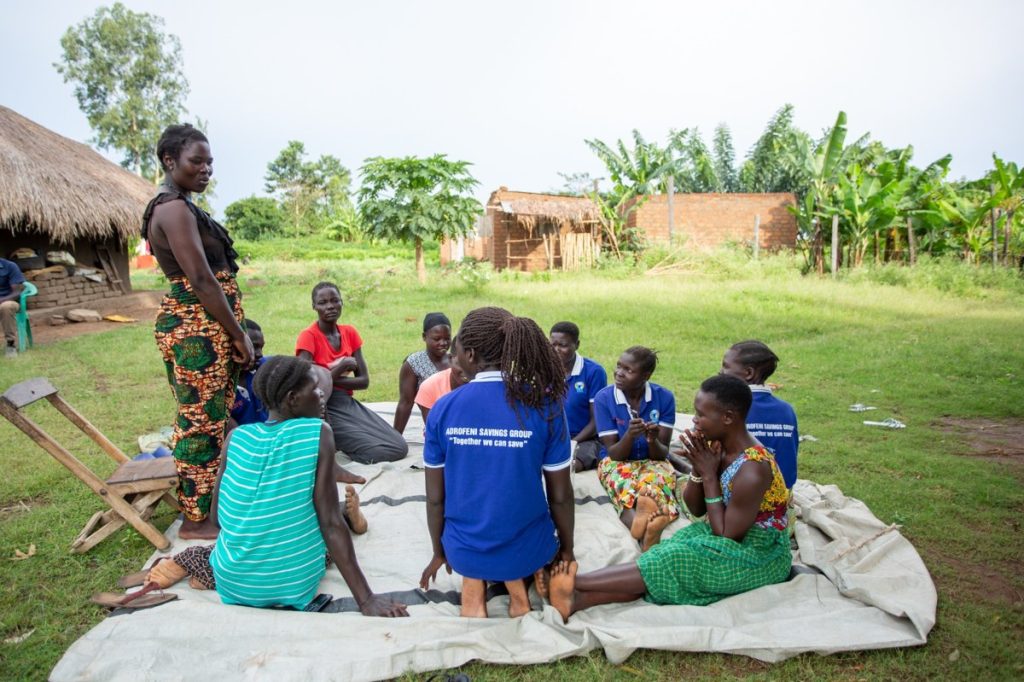
After dropping out of school and relying entirely on her husband, Bella’s journey changed in 2020 when she joined a Village Savings and Loan Association (VSLA) under the Women’s and Youth Economic Resilience Project (WAREYP). Through savings and financial literacy training, she started a small business brewing local alcohol, gradually building income and confidence.
Stepping into Leadership
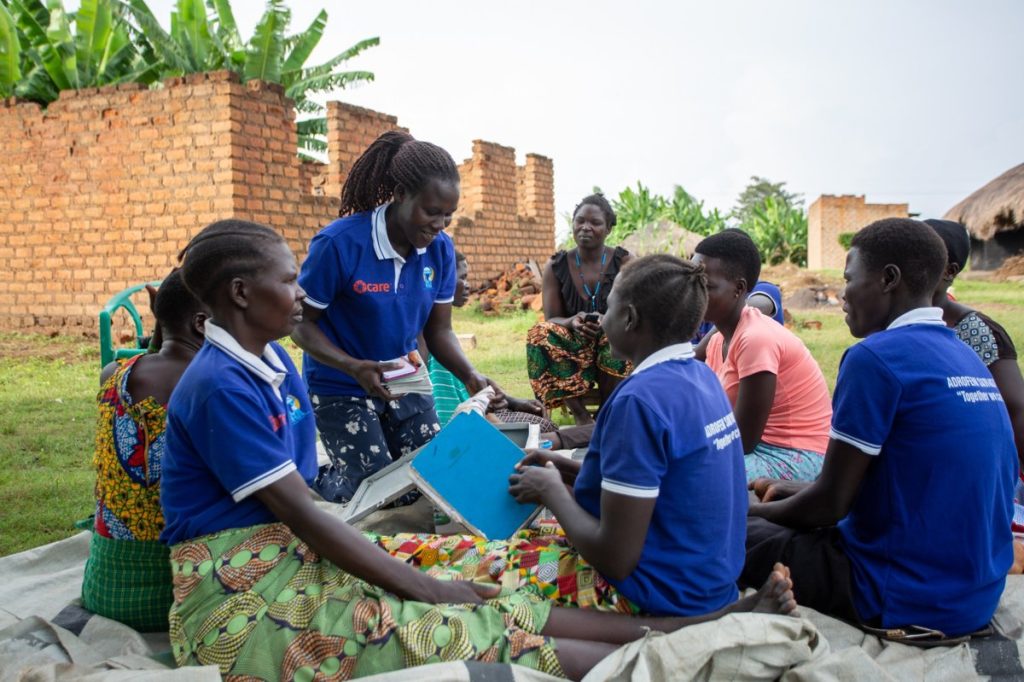
Her commitment earned her election as group secretary, marking her first leadership role.
In 2024, under the Gender Equality and Resilience (GEAR) Project, Bella advanced her skills through vocational training in tailoring. Despite initial resistance from her husband, household dialogue supported by the project enabled her to complete the training and start a tailoring business.
Leading Through Actions
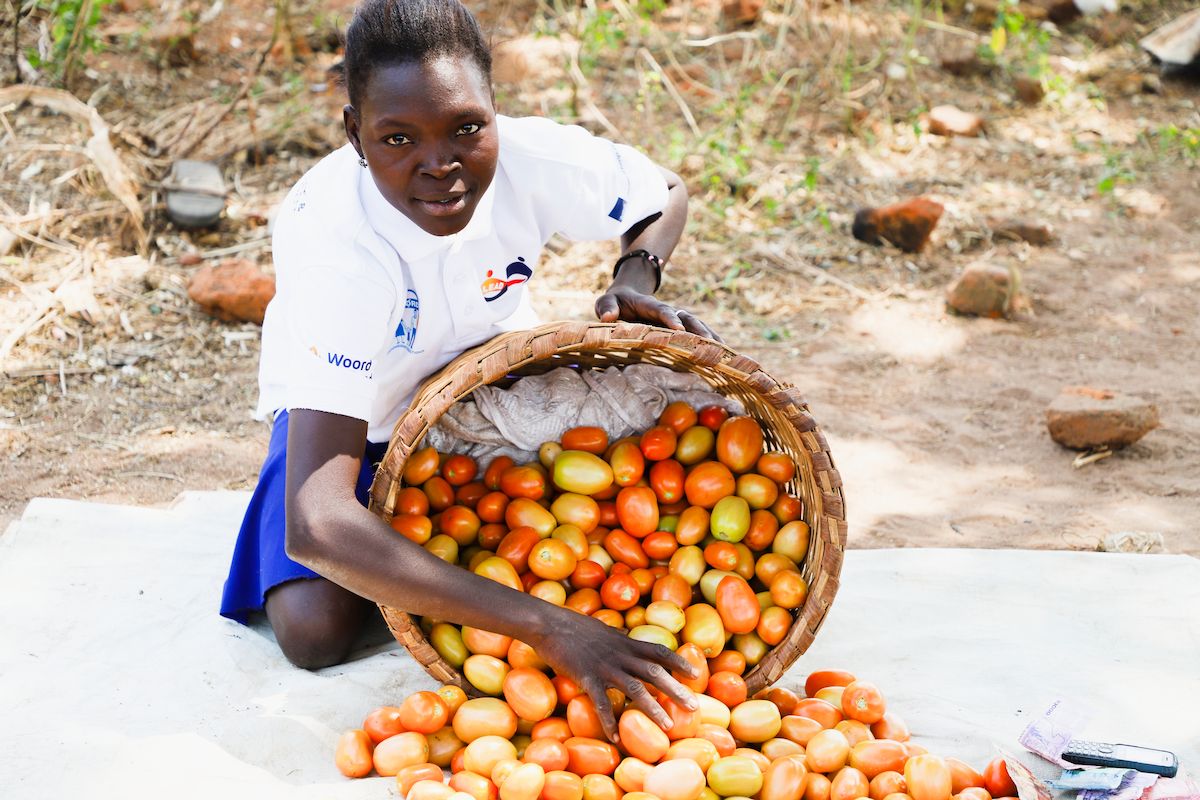
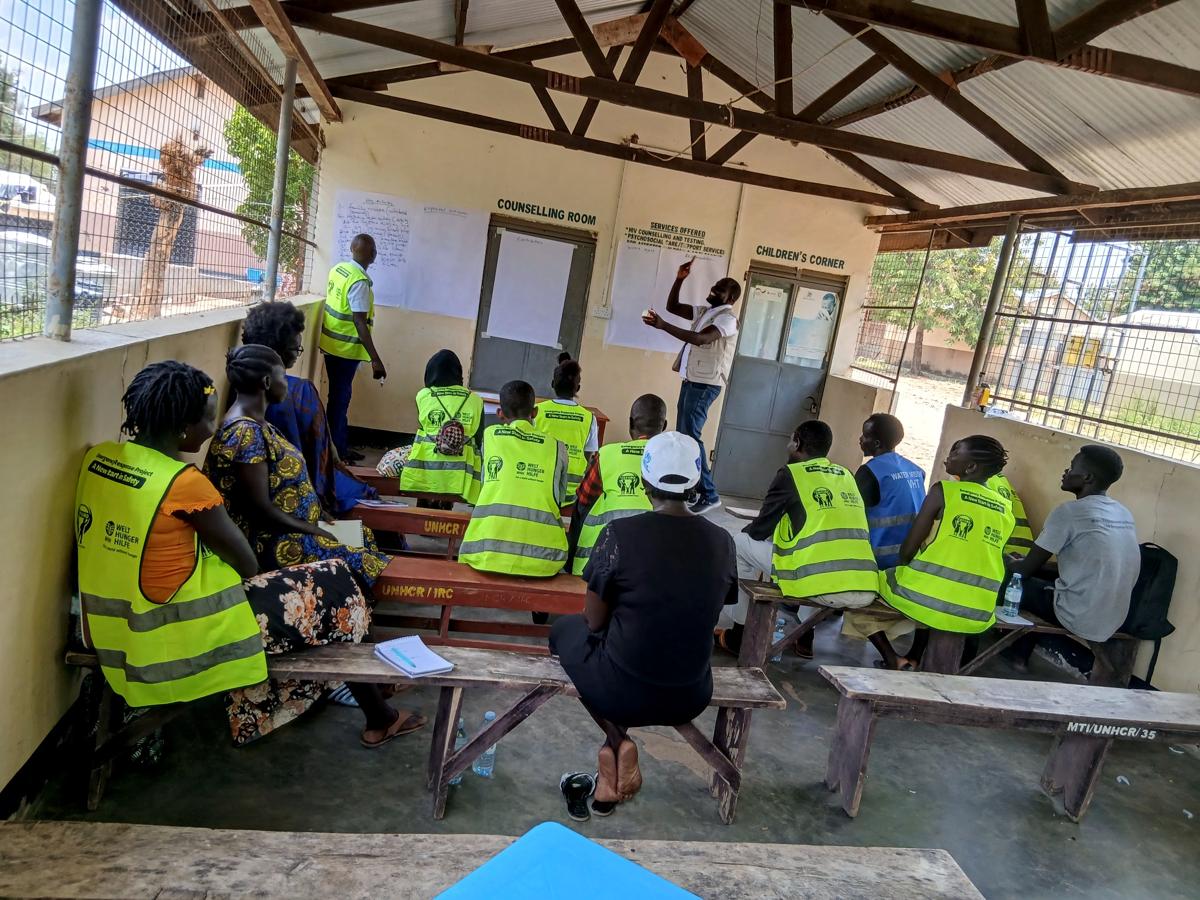
Today, Bella has diversified her income through tailoring, produce trading, and livestock, with working capital exceeding UGX 2,000,000. Beyond her business success, she has emerged as a leader serving as a Trainer of Trainers (TOT) with World Vision, mentoring others, and participating in community dialogues on gender equality.
Her leadership is also reflected at home, where she contributes to household income and pays school fees for her children. Bella now aspires to expand her business and continue empowering other women, demonstrating how economic empowerment can unlock leadership and lasting community change.
Project Impact
Bella’s journey highlights the impact of the Gender Equality and Resilience (GEAR) Project, implemented by CEFORD in partnership with CARE International in Uganda and funded by the Austrian Development Agency through CARE Austria.
Since April 2024, the project has reached over 12,201 participants (65% women and 35% men) across Arua City, Omugo host communities, and Omugo refugee settlement—supporting women not only to improve their livelihoods, but to step into leadership roles, influence decisions, and drive change in their communities.