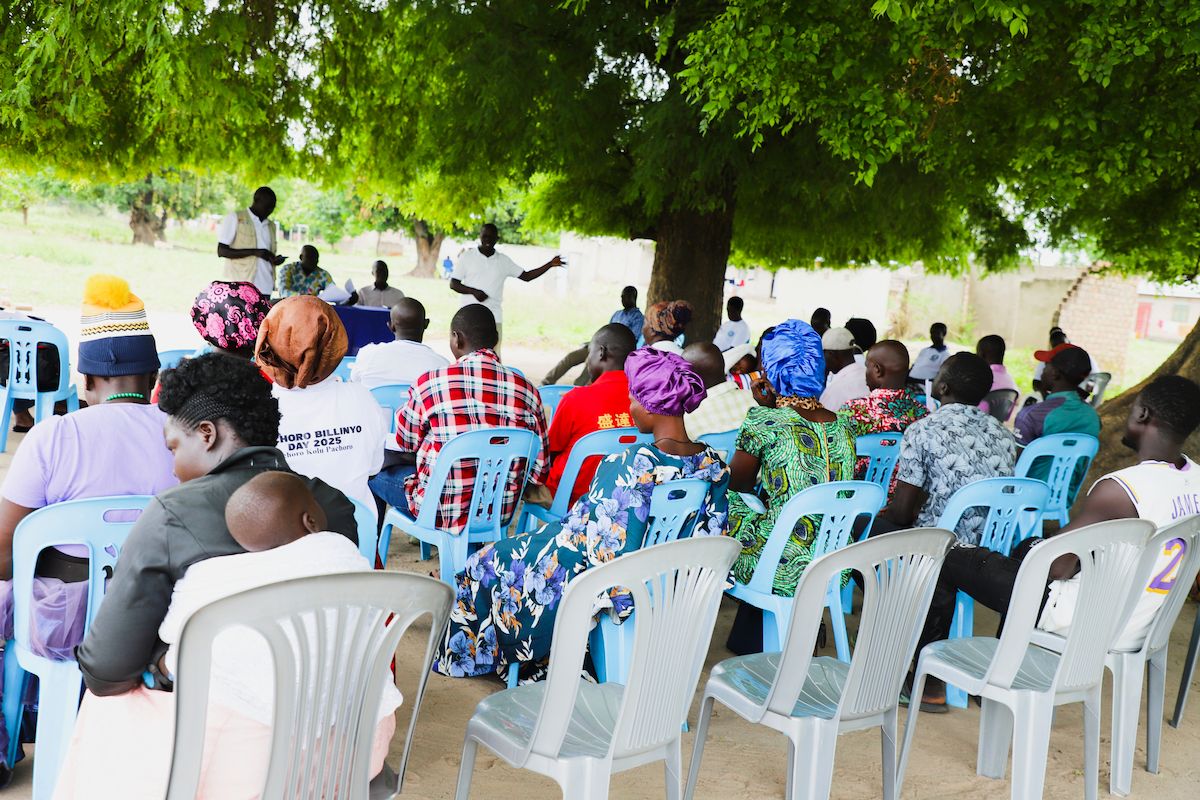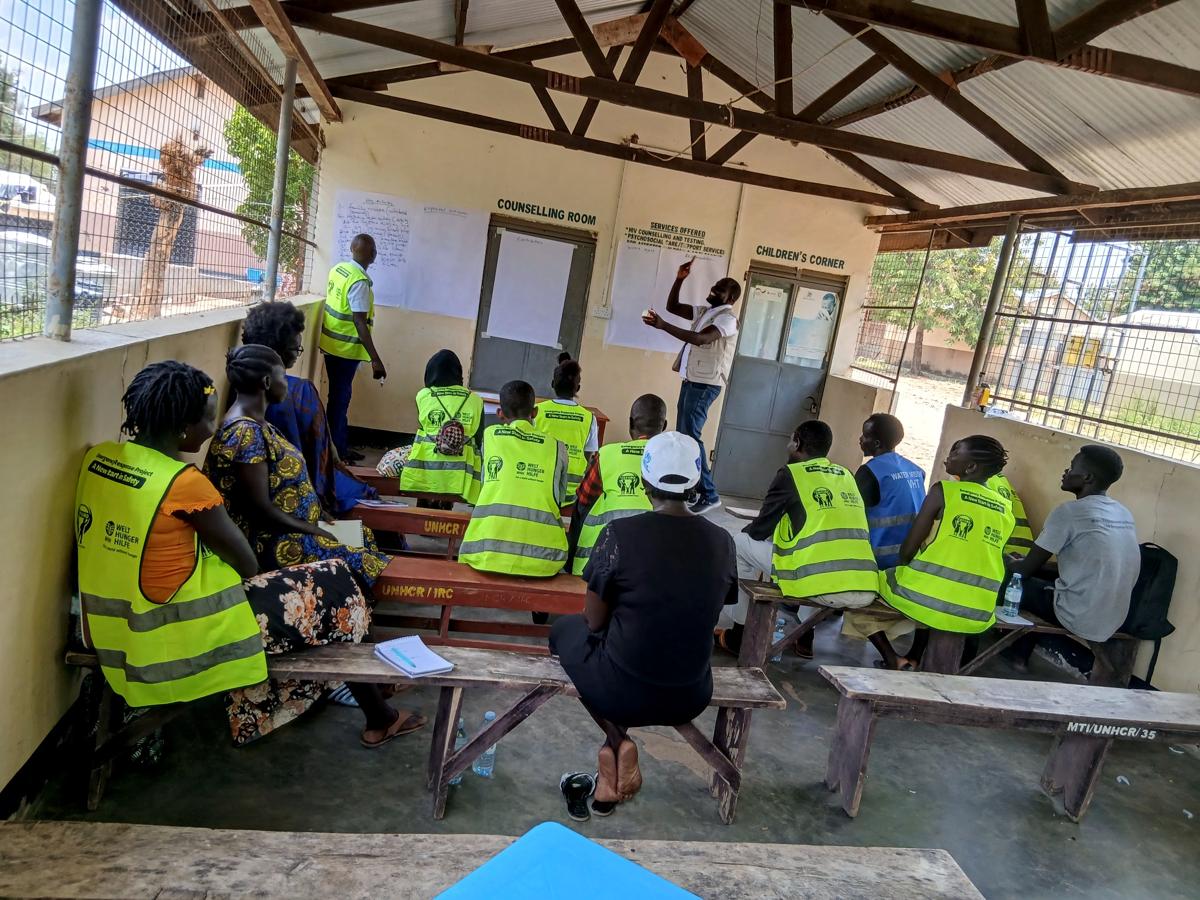
Community Empowerment for Rural Development (CEFORD) conducted a joint field monitoring exercise across Moyo and Obongi districts to assess the functionality and effectiveness of community governance structures supported under the Strengthening Civic Participation for Effective Accountability and Transparency (SEAT) Project. The visit focused on Parish Development Committees (PDCs), Community Monitoring Groups (CMGs), and Special Interest Groups (SIGs) key actors in promoting civic participation and accountability.
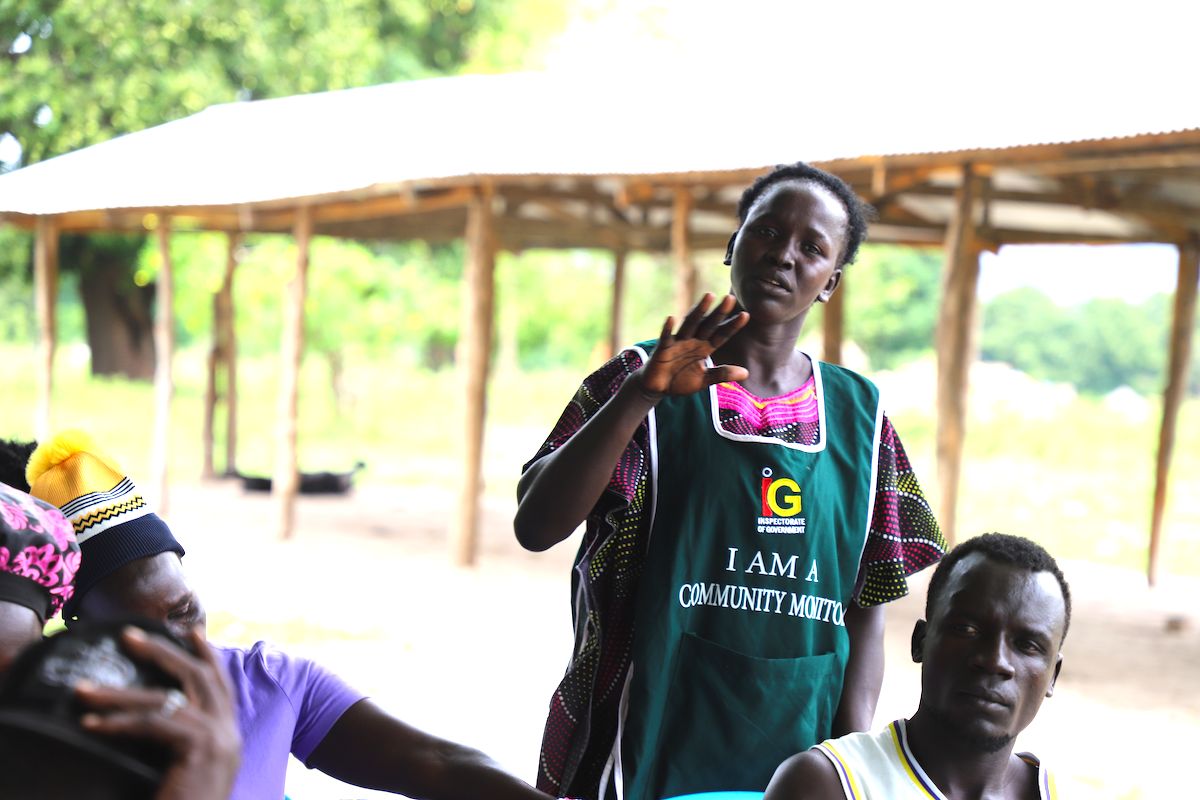
Findings indicate that most community structures are operational, with notable improvements in their understanding of roles, particularly among CMGs. Communities are increasingly engaging leaders and demanding accountability in critical sectors such as health, education, and infrastructure. As noted by Anguyo Emmanuel, Youth Representative from Aringajobi Parish, Obongi:
“Through our monitoring, we identified serious gaps in education and health services, including absentee teachers and a non-functional solar system at the health centre. Reporting these issues has prompted district authorities to take disciplinary action and initiate follow-up.”
However, performance varies across locations due to challenges including:
- Irregular meetings and inactive members
- Low literacy levels affecting documentation
- Delayed facilitation
- Limited follow-up and mentorship support
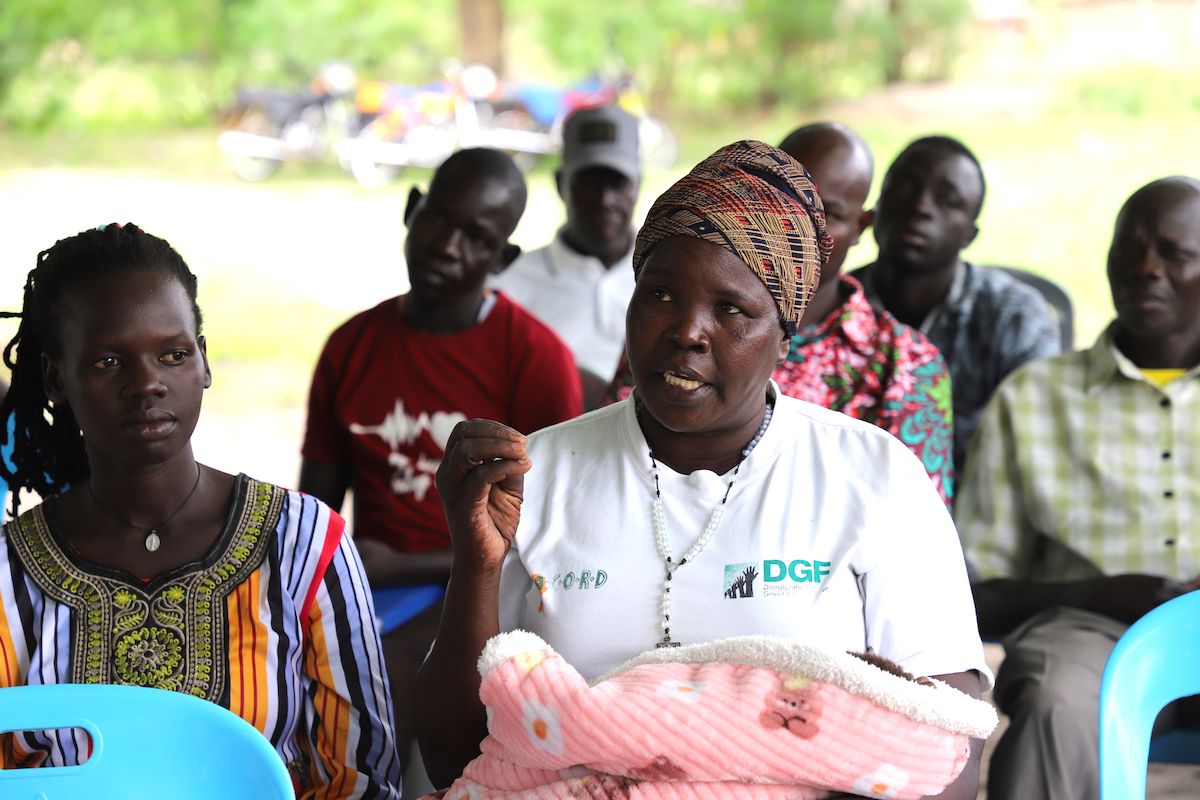
This concern was echoed by Vusin Alico, a PDC Member from Ndringar Parish, Moyo, who stated:“ We have not been holding meetings together as a committee.”
Overall, structures are on track but requires sustained support to strengthen impact and consistency.
Key Findings
1. Functional Community Structures
Most Community Monitoring Groups (CMGs) are active in monitoring public services and engaging leaders. However, PDCs and some SIGs show lower activity levels, often characterized by irregular meetings. Participation of women and youth is strong, while inclusion of persons with disabilities remains limited.
2. Application of Skills and Knowledge
Trained groups are effectively applying their skills in monitoring and advocacy. Several community members shared tangible examples of how their engagement has influenced local development.
Droma Lawrence, Youth Representative – Special Interest Group from Laropi Sub-county (Moyo), highlighted multiple achievements:
“During our monitoring of Gbalala Primary School, we found that there were no classrooms. We also raised concerns about poor access roads, which the sub-county has now prioritized in the 2026/27 budget. Additionally, 10 latrine stances are currently under construction at Ubbi Primary School. We also successfully advocated for the establishment of a youth boda boda shed at the market, which helped resolve a land conflict with support from the sub-county.”
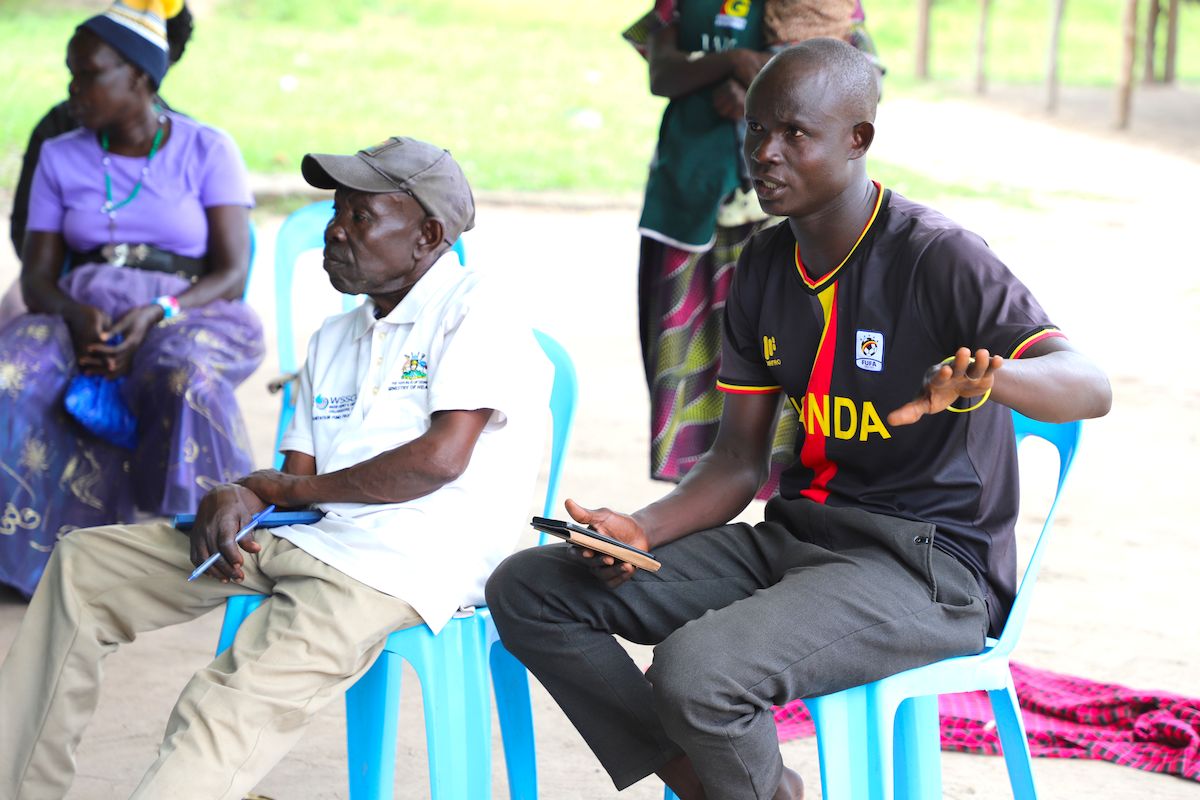
Similarly, Drici Ben, Youth Representative from Moyo, emphasized the responsiveness of local authorities: “The sub-county responded to our concern by supporting the construction of a market shed and installing a culvert on Gbalala Bridge. In cases of insecurity, we report to the GISO, who responds promptly.”
Rashid Sabiri, Youth Representative from Indilinga Parish, Obongi, also noted:“Our advocacy led to the construction of additional latrine stances at Aliba Primary School, and continued follow-up ensured the installation of a garbage pit and a functional incinerator at Indilinga Health Centre II.”
3. Growing Community Voice and Accountability
Communities are increasingly engaging leaders and reporting service delivery challenges. Their actions are contributing to improvements in education, health, infrastructure, and social protection.
Salama Liberty, Women Representative – PDC from Odonga Parish, Obongi, emphasized social mobilization and safeguarding: “We have been sensitizing parents and children on the importance of education. At the same time, we continue to raise concerns about rape cases in the community to ensure protection for women and girls.”
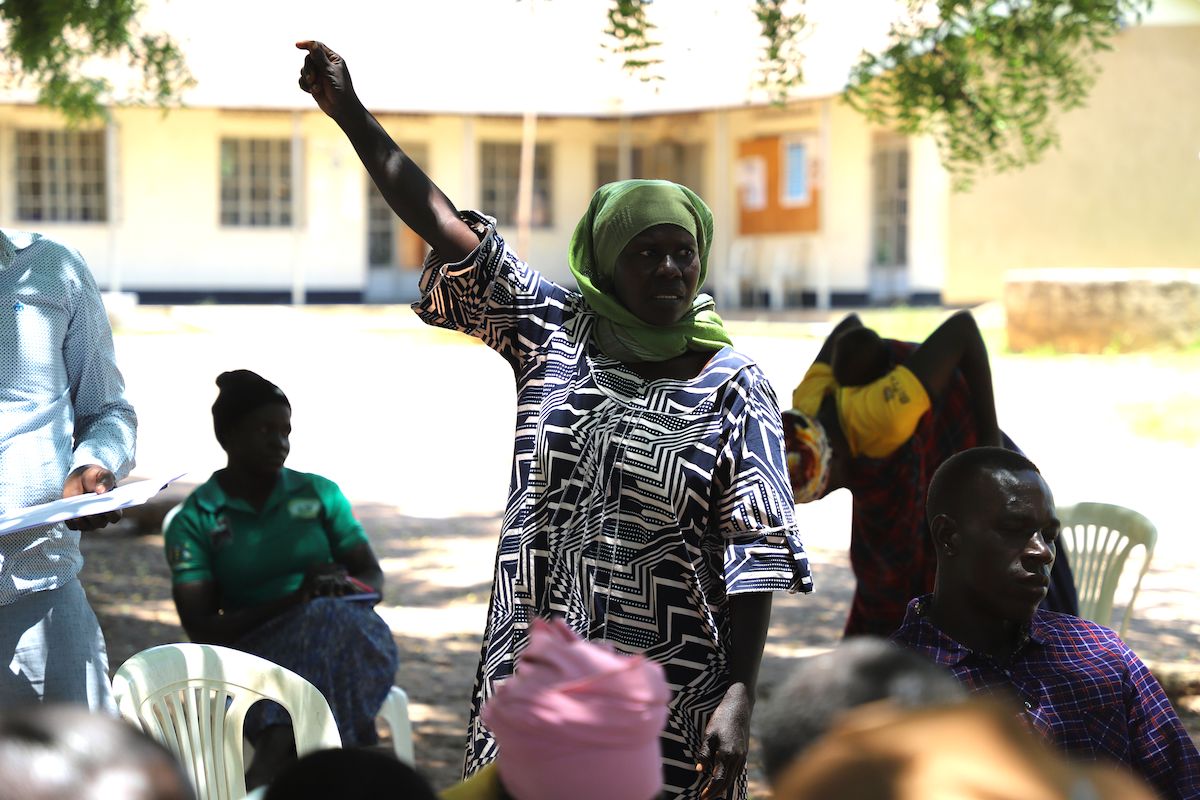
In Moyo, Ababiku Lillian, Women Representative – Special Interest Group from Gbalala Parish, highlighted both progress and unresolved issues:
“We have reported cases of stray animals destroying crops, but no compensation has been provided. However, the LC1 leadership has taken action by stopping individuals from using borehole water for brick laying.”
Dralele Moses, Special Interest Group Representative from Panyanga Parish, further illustrated the impact of community engagement:
“We reported poor education performance to the LCII, and the issue was addressed after teachers were engaged through community platforms such as churches. However, the lack of access to safe water in the community remains unresolved. When flooding occurred, we reported it to the LCIII, and together with the CAO, the community was mobilized to divert the water.”
Stories of Change and Impact
Improved Health Service Delivery – Metu Sub-county
Community monitoring of Goopi Health Centre II led to:
- Replacement of an absent health facility in-charge
- Deployment of a midwife
- Commitment to fence the facility
A Youth Representative from Ayipe Parish, Moyo, shared:
“When we reported absentee health workers, the authorities replaced the facility in-charge and deployed a midwife. Since then, patient care and staff attitudes have greatly improved.”
Community-Led Infrastructure Solutions
Community advocacy has resulted in several infrastructure improvements, including:
- Installation of culverts to improve school and market access
- Construction of school latrines
- Establishment of a youth boda boda shed
- Budget reallocations by local leaders
These achievements demonstrate the effectiveness of structured civic engagement in influencing local development priorities.
Stronger Civic Participation
- CMGs are now participating in village and parish planning processes.
- Communities are identifying and submitting development priorities.
- There is increased confidence in engaging government officials and security structures.
Emerging Outcomes
The monitoring revealed encouraging shifts:
- Improved responsiveness from local leaders
- Increased civic awareness and participation
- Better service delivery outcomes, including:
- Improved teacher attendance in schools monitored
- Enhanced sanitation in schools and health facilities
- Increased access to clean water
- Economic empowerment through savings groups and local contracts
- Strengthened community conflict resolution mechanisms
Good Practices
- Community-led advocacy resulting in concrete action from duty bearers
- Strong coordination by PDCs in mobilizing participation
- Effective linkage between communities and service providers through CMGs
- Utilization of existing community platforms (e.g., churches) for advocacy and dialogue
Key Challenges
- Irregular meetings due to expectations of facilitation
- Low literacy affecting documentation and reporting
- Weak grievance tracking systems
- Limited follow-up after trainings
- Low participation of persons with disabilities
- Unresolved issues such as access to safe water and compensation for crop destruction
Lessons Learned
- Continuous mentorship is essential for sustaining community structures.
- Practical, hands-on training enhances the application of skills.
- Strong engagement with local leaders leads to tangible results.
- Simplified tools are necessary for low-literacy groups.
- Leveraging existing community platforms strengthens advocacy efforts.
Emerging Recommendations for Local Government
- Improve coordination with community governance structures.
- Integrate community groups into planning and budgeting processes.
- Promote inclusive participation, especially for persons with disabilities.
- Strengthen grievance reporting and feedback mechanisms.
- Prioritize unresolved issues such as access to safe water and compensation for livelihood losses.
Looking Ahead
The monitoring confirms that the SEAT Project is making meaningful progress in strengthening community governance and accountability systems in districts of operation. Community voices demonstrate that structured civic engagement is translating into tangible improvements in service delivery and local development. While significant results are already visible, sustained mentorship, stronger coordination, and inclusive engagement will be essential to deepen impact and ensure long-term sustainability. As Droma Lawrence aptly summarized:
“Our monitoring has shown that when communities speak with one voice, leaders listen and take action on issues that matter most to us.”