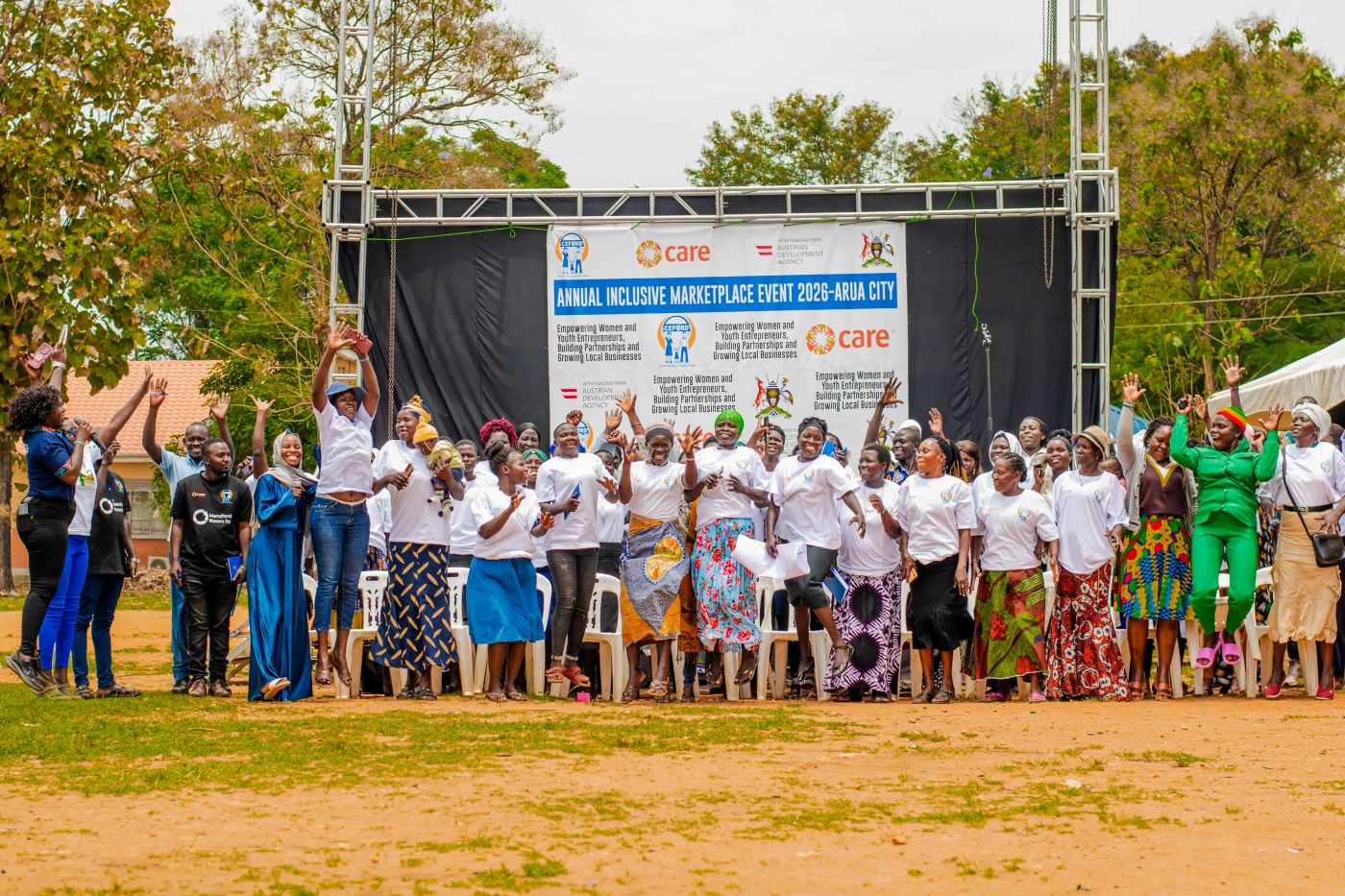


CEFORD, through the Gender Equality and Resilience (GEAR) Project, successfully organized a three-day Inclusive Market Place event in Arua City. The event brought together participants from Omugo host community, refugee settlement areas, Arua City, and the public, creating an open and vibrant platform for business interaction and learning. watch here https://youtu.be/8iGVaoIWzTo?si=4toPThTL7k5FjRIJ
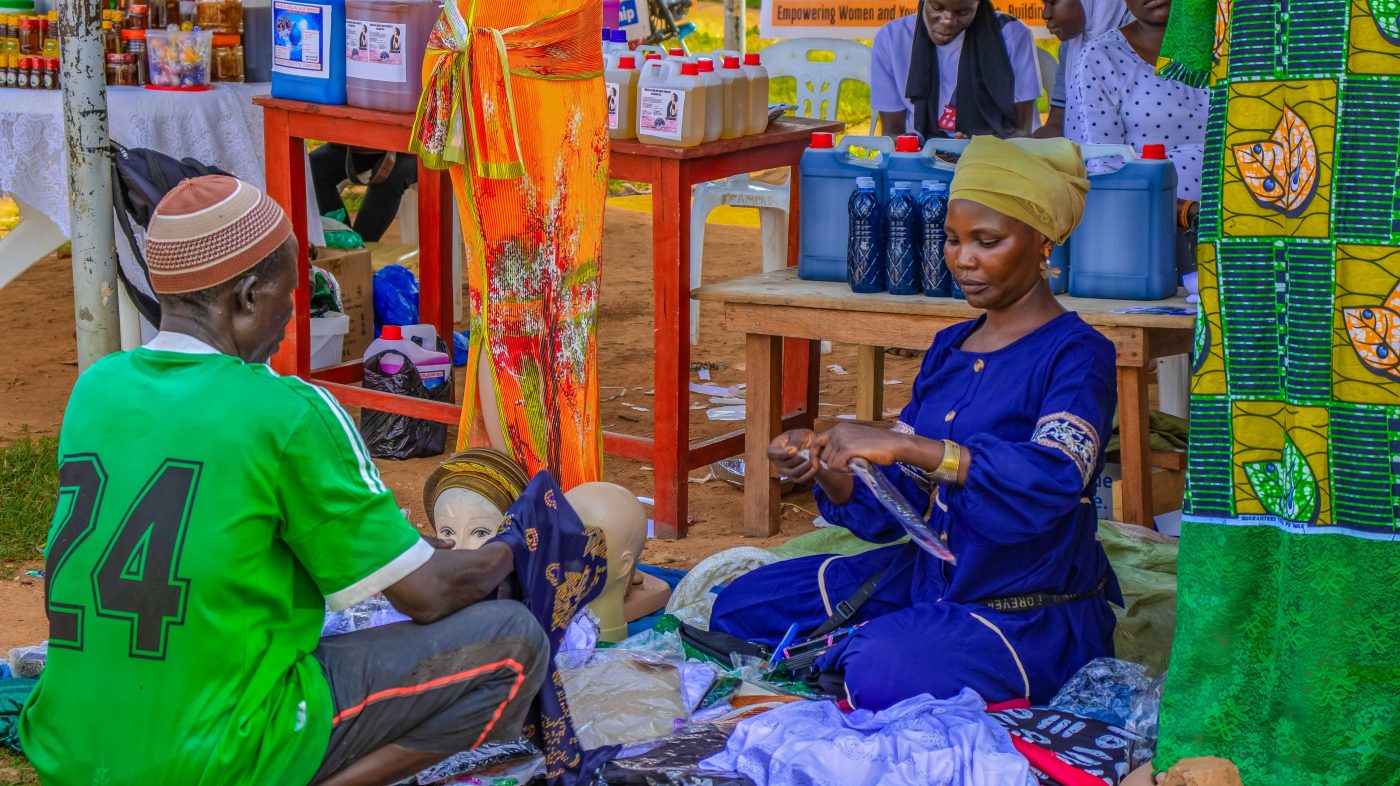
The Inclusive Market Place aimed to provide business opportunities, promote partnerships, strengthen networking, and enhance exposure for entrepreneurs. This initiative reflects CEFORD’s commitment not only to building entrepreneurial skills but also to creating platforms where women and youth can connect, access services, and grow sustainable livelihoods.
The event convened women and youth entrepreneurs, government agencies, financial institutions, civil society organizations, private sector actors, and media houses. It served as a dynamic platform for entrepreneurs to showcase their products, exchange experiences, and directly engage with service providers such as business registration bodies, financial institutions, insurance companies, and government offices.
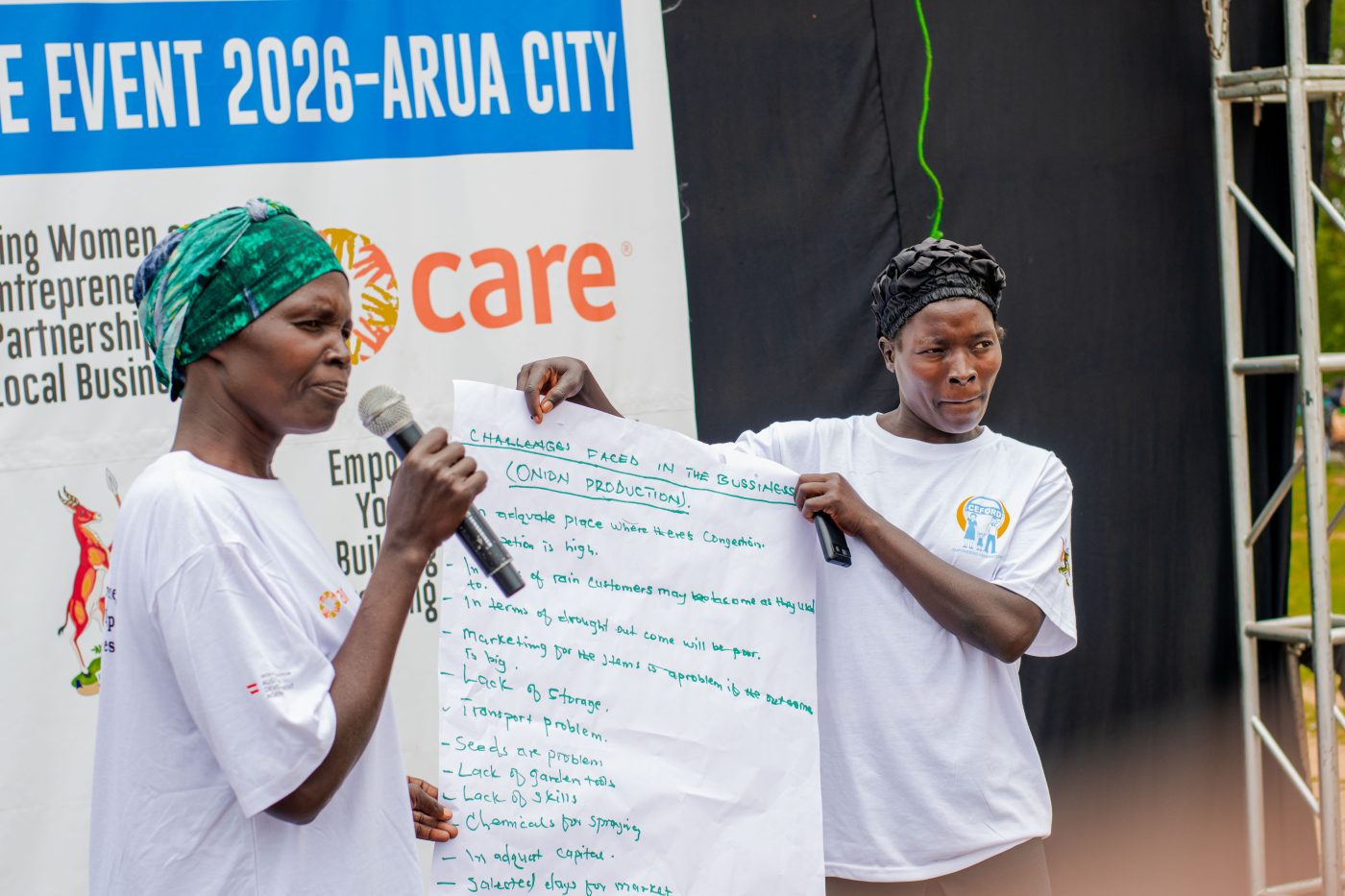
Participants accessed critical information on business formalization, financial services, and growth opportunities. Through these engagements, CEFORD continues to strengthen pathways for entrepreneurs to move beyond startup stages toward sustainable and scalable enterprises.

Immediate Outcomes
1. Strengthened Multi-Stakeholder Collaboration
The event attracted a wide range of stakeholders including city leadership represented by the Deputy Resident City Commissioner (RCC), security officials, city and division commercial officers, and key government agencies such as the Uganda Registration Services Bureau (URSB) and the Uganda Revenue Authority (URA).
Financial institutions including Centenary Bank, Pride Bank, DFCU Bank, I&M Bank, and Housing Finance Bank participated alongside insurance providers such as Old Mutual and AAR. Civil society organizations including Uganda Red Cross Society, Feminature, and SIHA Network, as well as media houses such as NBS, West Nile TV, Radio Pacis, Arua One FM, and Access FM, were also present.
These engagements enhanced awareness of available services, clarified stakeholder roles, and improved participants’ understanding of how and where to access support for business formalization and growth.
2. Increased Knowledge Among Participants
Participants gained practical knowledge in key business development areas including communication, marketing, value addition, branding, packaging, and information seeking. These sessions provided actionable strategies to improve product quality, market competitiveness, and business sustainability.

3. Improved Awareness of Support Services
Through presentations and direct engagement with institutional representatives, participants gained a deeper understanding of the services offered by government agencies, financial institutions, and development partners. This increased their ability to access business support services and opportunities.

4. Strengthened Linkages Between Entrepreneurs and Service Providers
Exhibition stalls and interactive sessions enabled direct engagement between entrepreneurs and service providers such as URSB, URA, financial institutions, and health service providers. These interactions fostered potential partnerships and facilitated access to essential business services.
5. Positive Participant Feedback
Participants expressed strong appreciation for the practical nature of the sessions, particularly those focused on marketing, branding, packaging, and value addition. Many noted that the knowledge gained was directly applicable and would support them in improving their products, attracting customers, and expanding their businesses.

Lessons Learned
1. Practical Business Training is Highly Valued
Entrepreneurs highly value hands-on, practical knowledge that directly addresses the real challenges they face in managing and growing their businesses.
2. Multi-Stakeholder Engagement Enhances Impact
Bringing together diverse actors including entrepreneurs, government agencies, financial institutions, and development partners creates meaningful opportunities for networking, learning, and accessing services.
3. Language Inclusivity is Critical
The need for translation into languages such as Lugbara, Arabic, and Nuer highlighted the importance of ensuring inclusivity and accessibility for participants from diverse linguistic backgrounds.
4. Interactive Approaches Improve Engagement
Panel discussions, exhibitions, and open interaction sessions encouraged active participation, knowledge sharing, and deeper learning among participants