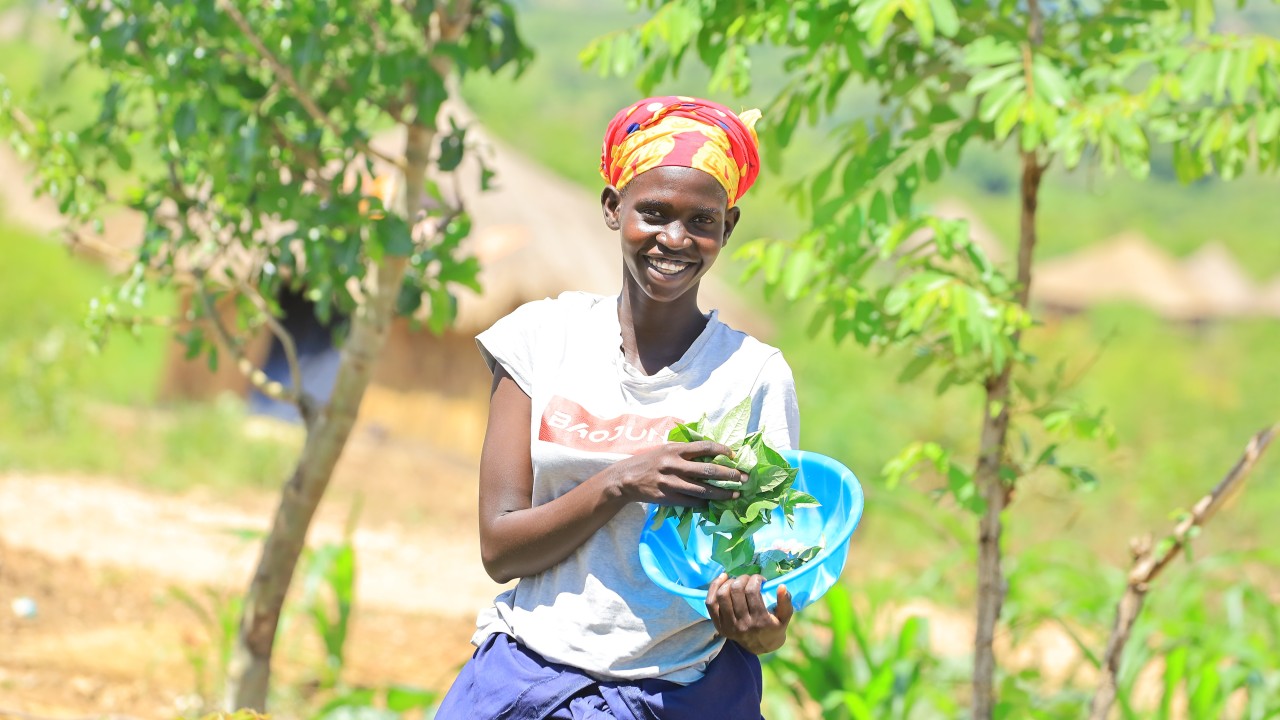
Queen Harriet is using climate-smart farming skills to feed her family and help other women do the same “As a breastfeeding mother, I used to struggle to get vegetables for myself and my household. I would wait until I got money or sometimes borrow from others. But right now, because of my kitchen garden, I can get any kind of vegetable I need. I no longer struggle to buy vegetables from the market,” says Queen Harriet. A few steps from Queen Harriet’s home in Zone 8 of Rhino Camp Refugee Settlement, rows of healthy vegetables grow in carefully prepared garden beds. Cowpeas, tomatoes, eggplants, collard greens, and okra now provide a steady source of food for her family, reducing household expenses and ensuring that nutritious meals are always within reach. For the 22-year-old refugee mother of two, this simple kitchen garden has changed daily life. Instead of travelling long distances to purchase vegetables or waiting until money becomes available, she now harvests fresh produce directly from her compound whenever her family needs it. Rebuilding Life in a New Home When Queen and her family arrived in Uganda from South Sudan in July 2025, life looked very different. The land allocated to newly arrived refugee families was rocky and covered with bushes, making cultivation challenging. Markets were located far from their settlement area, forcing families to travel long distances to access food and other necessities, but the cost of food was difficult to manage on a limited income. “The markets were very far, and food was expensive. Even vegetables were very expensive; we could buy only three tomatoes for UGX 1,000,” she says. Like many refugee households in Rhino Camp, Queen’s family also faced difficulties accessing healthcare services, while unpredictable weather conditions made farming increasingly difficult. Extended dry spells affected crop production, while strong winds and heavy rains frequently disrupted daily life. For a young mother caring for a five-year-old and a six-month-old child, meeting basic household needs was often a challenge. Climate Challenges Affecting Refugee Communities Across Uganda’s refugee-hosting districts, many families face similar challenges. Uganda currently hosts approximately two million refugees, mainly from South Sudan and the Democratic Republic of Congo. The growing population places pressure on natural resources and social services, while climate-related shocks continue to affect agricultural production and livelihoods. In districts such as Yumbe, Obongi, and Madi Okollo, refugee and host communities face challenges ranging from environmental degradation and limited access to financial services to declining agricultural productivity. Women, youth, and smallholder farmers are particularly affected due to barriers such as limited access to productive resources and persistent gender inequalities. Rising temperatures and erratic rainfall further increase food insecurity and reduce communities’ ability to cope with climate-related risks. Queen’s situation began to improve after joining a community group supported through the Uganda Refugee Resilience Initiative (URRI), a five-year programme designed to strengthen climate resilience and promote inclusive development among refugee and host community farmers across West Nile, with funding from Danida through the Danish Embassy in Uganda. Implemented through a consortium led by DRC, alongside CEFORD, DCA, PALM Corps, and PICOT, the programme supports households to adopt climate-smart agricultural practices, restore ecosystems, improve access to markets and financial services, and strengthen the participation of women and youth in decision-making processes. Through regular training sessions facilitated by CEFORD, Queen learned practical techniques that enabled her to produce food despite the challenging environment. “Before, I used to plant crops anyhow,” Queen explains. “I would simply clear the land and plant. But now I know how to prepare the garden properly, use manure, make half-moons, double-dug beds, mulch, and create water-harvesting structures that help crops grow better, improve soil fertility and conserve moisture.” Alongside the training, participants received seeds at the group level and technical support to establish kitchen gardens around their homes. Equipped with new knowledge and practical skills, Queen began cultivating vegetables using methods that conserve soil moisture and improve productivity. Better Nutrition and Reduced Household Costs Today, Queen’s family has direct access to fresh vegetables throughout the year, reducing dependence on market purchases and ensuring more nutritious meals at home. “The vegetables I used to buy from the market, I now get them from my own garden,” she says. The benefits are particularly important for her as a lactating mother. “Before, I struggled to get vegetables for my children and myself. Sometimes I had to wait until money was available while the children needed food. Now, whenever I need vegetables, I simply pick them from the garden.” By growing vegetables within her compound, Queen has reduced household spending while improving her family’s access to healthy food. Building Stronger Families Through Shared Responsibility The programme has also influenced the way families work together. Through the Gender Action Learning System (GALS), households are encouraged to make joint decisions, plan together, and share responsibilities within the home. For Queen, one of the most valuable lessons was understanding the importance of partnership between spouses. “One important lesson I learned is that my husband and I should always work together,” she says. “Before, I didn’t know that a man and a woman could work together on everything. Through the training, we learned to support one another, and now we work together.” The change is reflected not only in their relationship but also in their living environment. “I have seen changes in my homestead. It used to be very disorganised, but it is now more organised.” Sharing Knowledge with Others The progress in Queen’s garden has attracted attention from neighbouring households. Women from nearby homes frequently visit her compound to learn how she established her kitchen garden and why her crops are performing well despite the challenging conditions. “Some mothers come and ask me how I learned to plant like this,” she says. “I tell them that it is through the training from CEFORD under URRI.” By sharing the skills she has learned, Queen is helping other families discover practical ways of producing food using the small spaces available around their
From Small-scale Farming to Agribusiness Success
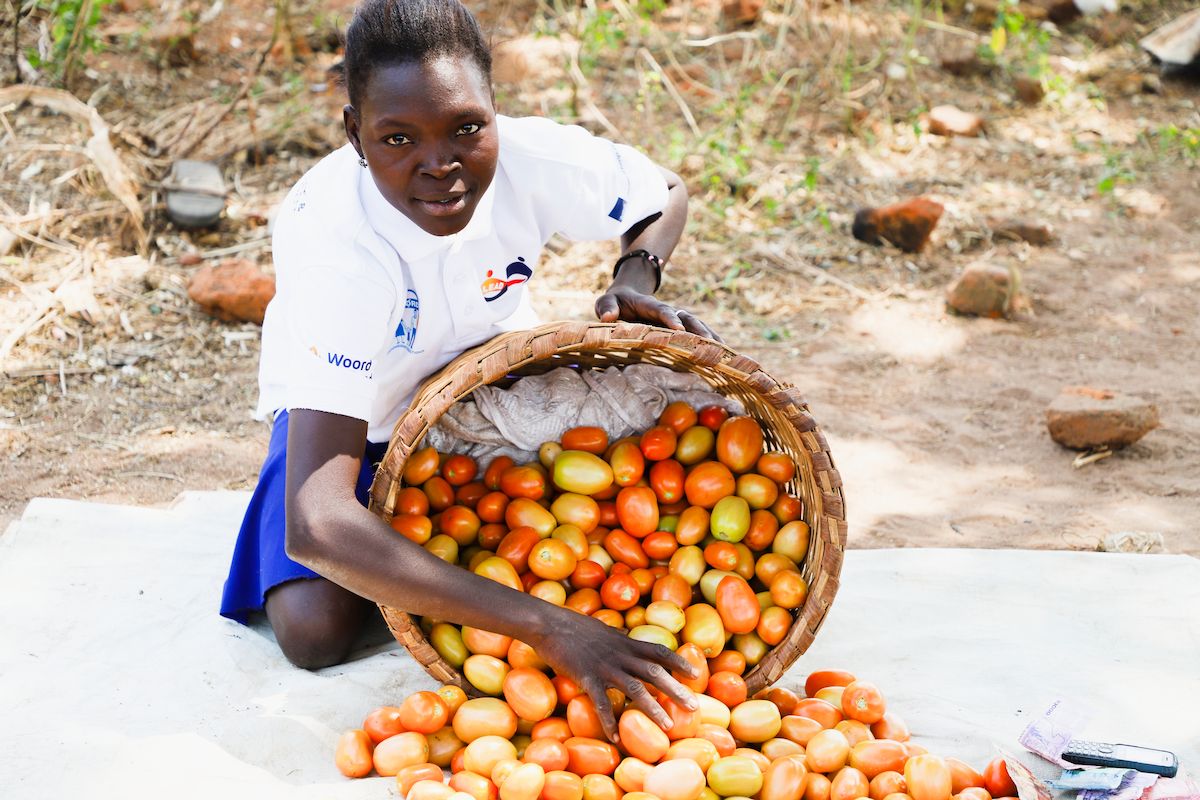
Christine Ajiduru is a 28-year-old mother of four living in Jue, Odupi Sub-county Terego District. Before joining SEED4You, her livelihood was limited and unstable. She relied on small-scale brewing, earning about UGX 10,000 a week which was insufficient to meet the needs of her large family. Christine had previously trained in horticulture, but her skills were underutilized, and she struggled to generate consistent income from farming. Pathway to Change In July 2025, Christine joined the Skills for Employment and Economic Development for Youth (SEED4You) training program, which enhanced her horticulture knowledge and introduced her to agribusiness, financial literacy, life skills, and marketing. The hands-on nature of the training allowed her to experiment with small vegetable plots immediately, generating income by September. Christine learned the importance of saving, planning, and setting goals, which she tracked using her vision board. After the training, Christine expanded her farming operations to half an acre, dedicating a quarter to vegetables (tomatoes, eggplant, cabbage, and greens) and a quarter to cassava for both home consumption and sale. By practicing on- and off-season planting, she has stabilized her income and significantly improved her household’s nutrition. Her children are now healthier and no longer malnourished. “I thank God and this project, from just brewing alcohol and earning barely enough, now I can sell vegetables and tomatoes weekly and earn enough to pay school fees, buy goats, and even plan to build a home.” She now earns an average of UGX 70,000 per week from tomatoes alone, with additional income from other vegetables. This income has enabled her to pay school fees, support her family, and plan for a home construction project in 2026. Despite challenges like manually watering her crops, she plans to acquire a large water pump and expand vegetable production to one acre, responding to high local demand”, Christine shares Reflections on SEED4You project Christine highly values the SEED4You project for giving her practical skills, financial management knowledge, and confidence. She looks forward to receiving her certificate and using it to train other youth in her community, multiplying the program’s impact. Ambitions and Vision for the FutureLooking ahead, Christine envisions expanding her farm into a profitable agribusiness by increasing vegetable production and improving market access. She is also passionate about empowering other young farmers through training and knowledge sharing. Her long-term goal is to build a sustainable future for her family while contributing to the growth of the local economy. Broader Impact Christine Ajiduru’s journey reflects the transformative power of targeted skills development, hands-on training, and mentorship. Through the SEED4You project, she transitioned from small-scale subsistence farming to building a more structured and productive agribusiness. What once earned her as little as UGX 10,000 a day has now grown into a more stable source of household income, significantly improving her family’s nutrition and overall wellbeing. Christine is among the targeted 251 youth and women who were skilled under the project in 2025, demonstrating the broader impact of the initiative in strengthening livelihoods
“A New Start in Safety” for the newly arrived South Sudanese and Congolese refugees
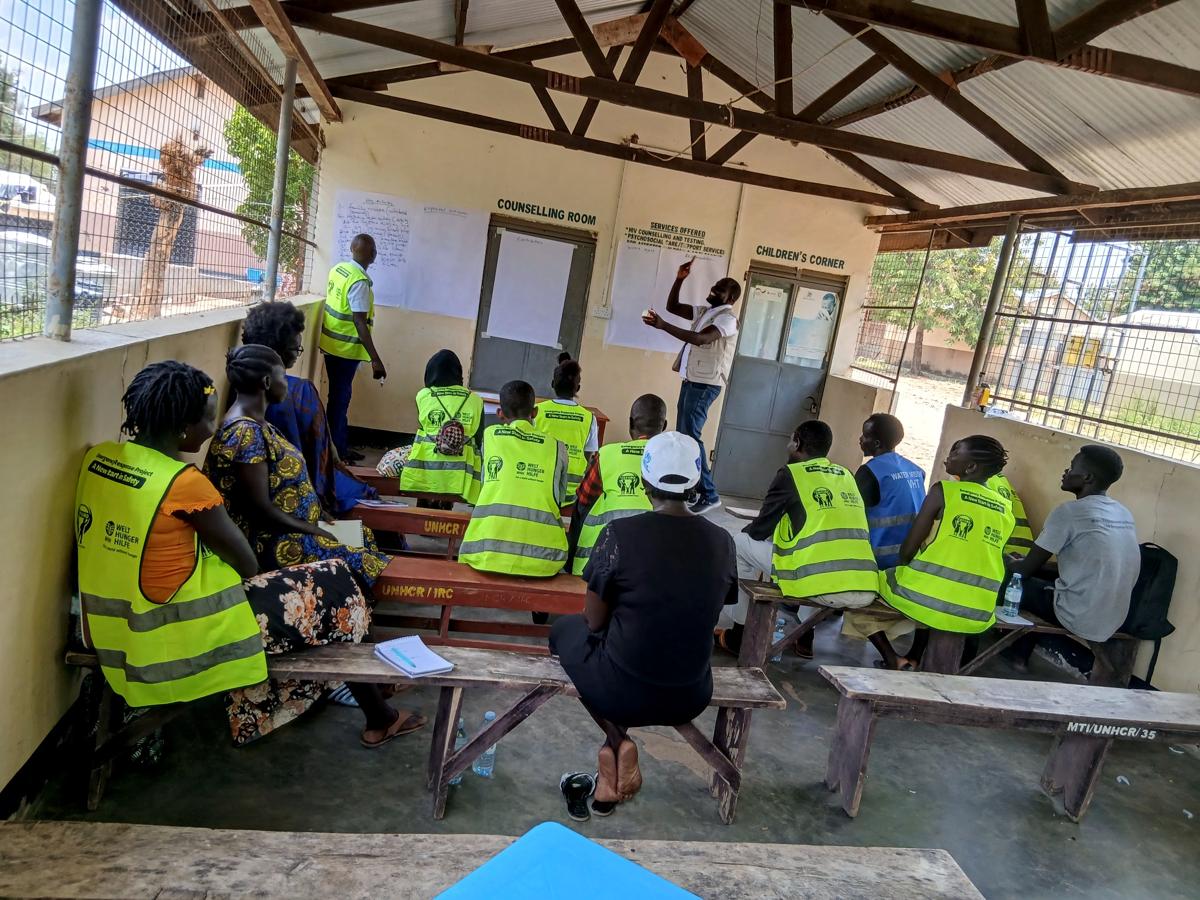
In the face of urgent humanitarian needs, the CEFORD “A New Start in Safety” project, supported by #WeltHungerHilfe, is helping transform the lives of newly arrived refugees in West Nile. This video captures real field interventions reaching thousands of South Sudanese, Congolese, and Sudanese refugees through integrated support in nutrition, WASH, and non-food items restoring dignity, improving health, and strengthening resilience. From hygiene promotion and malnutrition screening to food assistance and essential household support, the project demonstrates what coordinated emergency response can achieve even under challenging conditions. Key impact highlights: Watch the full story to see how lives are being transformed in Rhino Camp Settlement via https://youtu.be/pLcVZHjk5M8
Creating Opportunities Through Inclusive Markets
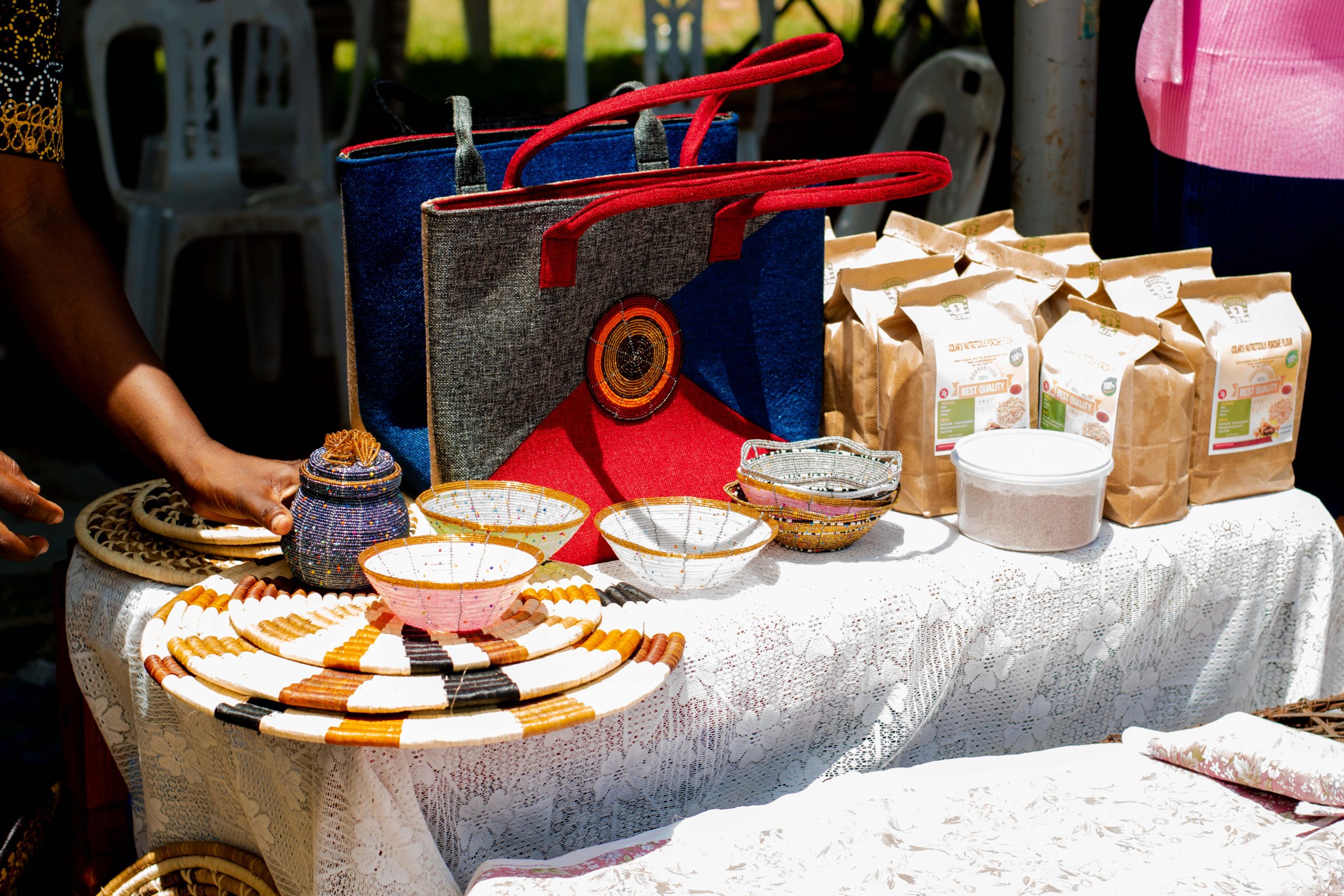
CEFORD, through the Gender Equality and Resilience (GEAR) Project, successfully organized a three-day Inclusive Market Place event in Arua City. The event brought together participants from Omugo host community, refugee settlement areas, Arua City, and the public, creating an open and vibrant platform for business interaction and learning. watch here https://youtu.be/8iGVaoIWzTo?si=4toPThTL7k5FjRIJ The Inclusive Market Place aimed to provide business opportunities, promote partnerships, strengthen networking, and enhance exposure for entrepreneurs. This initiative reflects CEFORD’s commitment not only to building entrepreneurial skills but also to creating platforms where women and youth can connect, access services, and grow sustainable livelihoods. The event convened women and youth entrepreneurs, government agencies, financial institutions, civil society organizations, private sector actors, and media houses. It served as a dynamic platform for entrepreneurs to showcase their products, exchange experiences, and directly engage with service providers such as business registration bodies, financial institutions, insurance companies, and government offices. Participants accessed critical information on business formalization, financial services, and growth opportunities. Through these engagements, CEFORD continues to strengthen pathways for entrepreneurs to move beyond startup stages toward sustainable and scalable enterprises. Immediate Outcomes 1. Strengthened Multi-Stakeholder CollaborationThe event attracted a wide range of stakeholders including city leadership represented by the Deputy Resident City Commissioner (RCC), security officials, city and division commercial officers, and key government agencies such as the Uganda Registration Services Bureau (URSB) and the Uganda Revenue Authority (URA). Financial institutions including Centenary Bank, Pride Bank, DFCU Bank, I&M Bank, and Housing Finance Bank participated alongside insurance providers such as Old Mutual and AAR. Civil society organizations including Uganda Red Cross Society, Feminature, and SIHA Network, as well as media houses such as NBS, West Nile TV, Radio Pacis, Arua One FM, and Access FM, were also present. These engagements enhanced awareness of available services, clarified stakeholder roles, and improved participants’ understanding of how and where to access support for business formalization and growth. 2. Increased Knowledge Among ParticipantsParticipants gained practical knowledge in key business development areas including communication, marketing, value addition, branding, packaging, and information seeking. These sessions provided actionable strategies to improve product quality, market competitiveness, and business sustainability. 3. Improved Awareness of Support ServicesThrough presentations and direct engagement with institutional representatives, participants gained a deeper understanding of the services offered by government agencies, financial institutions, and development partners. This increased their ability to access business support services and opportunities. 4. Strengthened Linkages Between Entrepreneurs and Service ProvidersExhibition stalls and interactive sessions enabled direct engagement between entrepreneurs and service providers such as URSB, URA, financial institutions, and health service providers. These interactions fostered potential partnerships and facilitated access to essential business services. 5. Positive Participant FeedbackParticipants expressed strong appreciation for the practical nature of the sessions, particularly those focused on marketing, branding, packaging, and value addition. Many noted that the knowledge gained was directly applicable and would support them in improving their products, attracting customers, and expanding their businesses. Lessons Learned 1. Practical Business Training is Highly ValuedEntrepreneurs highly value hands-on, practical knowledge that directly addresses the real challenges they face in managing and growing their businesses. 2. Multi-Stakeholder Engagement Enhances ImpactBringing together diverse actors including entrepreneurs, government agencies, financial institutions, and development partners creates meaningful opportunities for networking, learning, and accessing services. 3. Language Inclusivity is CriticalThe need for translation into languages such as Lugbara, Arabic, and Nuer highlighted the importance of ensuring inclusivity and accessibility for participants from diverse linguistic backgrounds. 4. Interactive Approaches Improve EngagementPanel discussions, exhibitions, and open interaction sessions encouraged active participation, knowledge sharing, and deeper learning among participants
Strengthening community governance structures for improved Service delivery
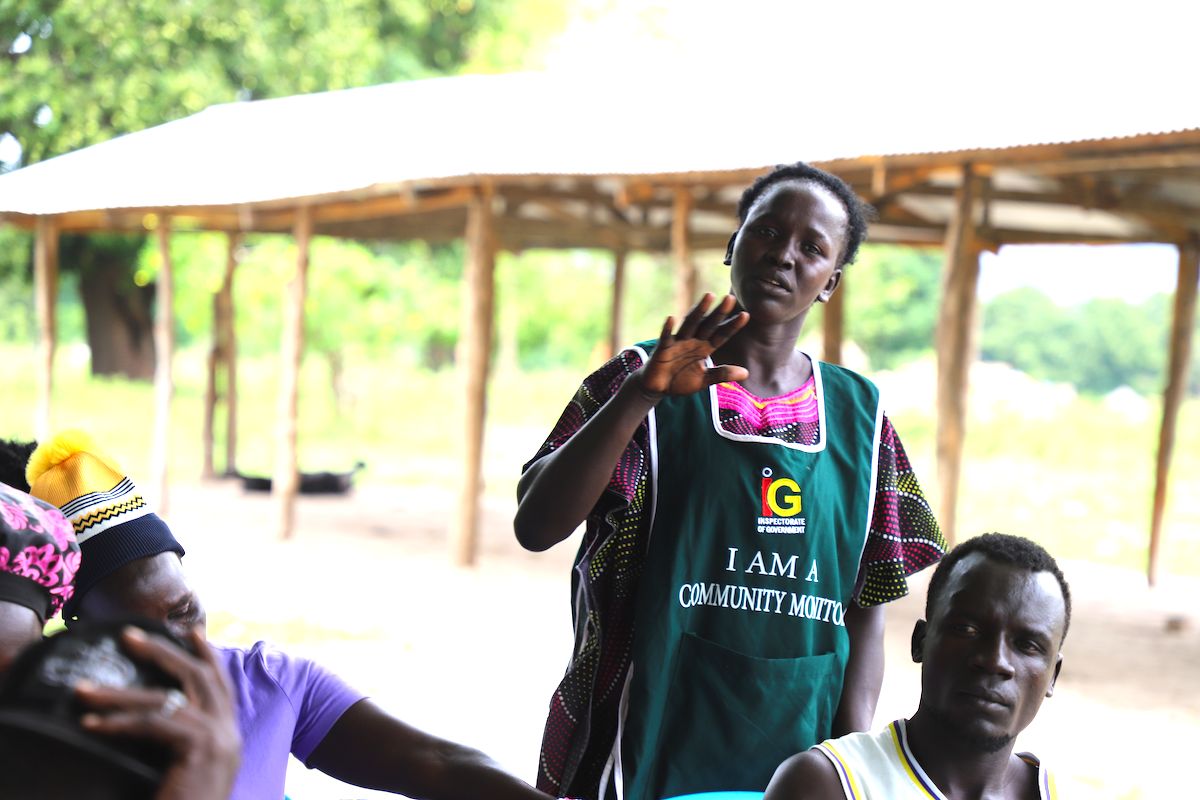
Community Empowerment for Rural Development (CEFORD) conducted a joint field monitoring exercise across Moyo and Obongi districts to assess the functionality and effectiveness of community governance structures supported under the Strengthening Civic Participation for Effective Accountability and Transparency (SEAT) Project. The visit focused on Parish Development Committees (PDCs), Community Monitoring Groups (CMGs), and Special Interest Groups (SIGs) key actors in promoting civic participation and accountability. Findings indicate that most community structures are operational, with notable improvements in their understanding of roles, particularly among CMGs. Communities are increasingly engaging leaders and demanding accountability in critical sectors such as health, education, and infrastructure. As noted by Anguyo Emmanuel, Youth Representative from Aringajobi Parish, Obongi: “Through our monitoring, we identified serious gaps in education and health services, including absentee teachers and a non-functional solar system at the health centre. Reporting these issues has prompted district authorities to take disciplinary action and initiate follow-up.” However, performance varies across locations due to challenges including: This concern was echoed by Vusin Alico, a PDC Member from Ndringar Parish, Moyo, who stated:“ We have not been holding meetings together as a committee.” Overall, structures are on track but requires sustained support to strengthen impact and consistency. Key Findings 1. Functional Community Structures Most Community Monitoring Groups (CMGs) are active in monitoring public services and engaging leaders. However, PDCs and some SIGs show lower activity levels, often characterized by irregular meetings. Participation of women and youth is strong, while inclusion of persons with disabilities remains limited. 2. Application of Skills and Knowledge Trained groups are effectively applying their skills in monitoring and advocacy. Several community members shared tangible examples of how their engagement has influenced local development. Droma Lawrence, Youth Representative – Special Interest Group from Laropi Sub-county (Moyo), highlighted multiple achievements: “During our monitoring of Gbalala Primary School, we found that there were no classrooms. We also raised concerns about poor access roads, which the sub-county has now prioritized in the 2026/27 budget. Additionally, 10 latrine stances are currently under construction at Ubbi Primary School. We also successfully advocated for the establishment of a youth boda boda shed at the market, which helped resolve a land conflict with support from the sub-county.” Similarly, Drici Ben, Youth Representative from Moyo, emphasized the responsiveness of local authorities: “The sub-county responded to our concern by supporting the construction of a market shed and installing a culvert on Gbalala Bridge. In cases of insecurity, we report to the GISO, who responds promptly.” Rashid Sabiri, Youth Representative from Indilinga Parish, Obongi, also noted:“Our advocacy led to the construction of additional latrine stances at Aliba Primary School, and continued follow-up ensured the installation of a garbage pit and a functional incinerator at Indilinga Health Centre II.” 3. Growing Community Voice and Accountability Communities are increasingly engaging leaders and reporting service delivery challenges. Their actions are contributing to improvements in education, health, infrastructure, and social protection. Salama Liberty, Women Representative – PDC from Odonga Parish, Obongi, emphasized social mobilization and safeguarding: “We have been sensitizing parents and children on the importance of education. At the same time, we continue to raise concerns about rape cases in the community to ensure protection for women and girls.” In Moyo, Ababiku Lillian, Women Representative – Special Interest Group from Gbalala Parish, highlighted both progress and unresolved issues: “We have reported cases of stray animals destroying crops, but no compensation has been provided. However, the LC1 leadership has taken action by stopping individuals from using borehole water for brick laying.” Dralele Moses, Special Interest Group Representative from Panyanga Parish, further illustrated the impact of community engagement: “We reported poor education performance to the LCII, and the issue was addressed after teachers were engaged through community platforms such as churches. However, the lack of access to safe water in the community remains unresolved. When flooding occurred, we reported it to the LCIII, and together with the CAO, the community was mobilized to divert the water.” Stories of Change and Impact Improved Health Service Delivery – Metu Sub-county Community monitoring of Goopi Health Centre II led to: A Youth Representative from Ayipe Parish, Moyo, shared: “When we reported absentee health workers, the authorities replaced the facility in-charge and deployed a midwife. Since then, patient care and staff attitudes have greatly improved.” Community-Led Infrastructure Solutions Community advocacy has resulted in several infrastructure improvements, including: These achievements demonstrate the effectiveness of structured civic engagement in influencing local development priorities. Stronger Civic Participation Emerging Outcomes The monitoring revealed encouraging shifts: Good Practices Key Challenges Lessons Learned Emerging Recommendations for Local Government Looking Ahead The monitoring confirms that the SEAT Project is making meaningful progress in strengthening community governance and accountability systems in districts of operation. Community voices demonstrate that structured civic engagement is translating into tangible improvements in service delivery and local development. While significant results are already visible, sustained mentorship, stronger coordination, and inclusive engagement will be essential to deepen impact and ensure long-term sustainability. As Droma Lawrence aptly summarized: “Our monitoring has shown that when communities speak with one voice, leaders listen and take action on issues that matter most to us.”
From Dependence to Leadership: Bella’s Journey
“Today I can support my family and pay school fees for my children. I feel proud not only because I earn, but because I now guide others.” – Driciru Bella Driciru Bella, a 35-year-old mother of five from Omugo Sub-county in Terego District, has grown from financial dependence to a confident community leader. Starting with Limited opportunities After dropping out of school and relying entirely on her husband, Bella’s journey changed in 2020 when she joined a Village Savings and Loan Association (VSLA) under the Women’s and Youth Economic Resilience Project (WAREYP). Through savings and financial literacy training, she started a small business brewing local alcohol, gradually building income and confidence. Stepping into Leadership Her commitment earned her election as group secretary, marking her first leadership role. In 2024, under the Gender Equality and Resilience (GEAR) Project, Bella advanced her skills through vocational training in tailoring. Despite initial resistance from her husband, household dialogue supported by the project enabled her to complete the training and start a tailoring business. Leading Through Actions Today, Bella has diversified her income through tailoring, produce trading, and livestock, with working capital exceeding UGX 2,000,000. Beyond her business success, she has emerged as a leader serving as a Trainer of Trainers (TOT) with World Vision, mentoring others, and participating in community dialogues on gender equality. Her leadership is also reflected at home, where she contributes to household income and pays school fees for her children. Bella now aspires to expand her business and continue empowering other women, demonstrating how economic empowerment can unlock leadership and lasting community change. Project Impact Bella’s journey highlights the impact of the Gender Equality and Resilience (GEAR) Project, implemented by CEFORD in partnership with CARE International in Uganda and funded by the Austrian Development Agency through CARE Austria. Since April 2024, the project has reached over 12,201 participants (65% women and 35% men) across Arua City, Omugo host communities, and Omugo refugee settlement—supporting women not only to improve their livelihoods, but to step into leadership roles, influence decisions, and drive change in their communities.
We are Hiring
Environment Assistant |Gender and Protection Assistant(3 Positions Available ) CEFORD in partnership with Danish Refugee Council (DRC), Dan Church Aid (DCA), PALM Corps, and PICOT with funding from Danish Embassy is implementing the Uganda Refugee Resilience Initiative (URRI) project across the four geographical regions in Uganda Hosting refugees. The duration of the project isfour years and four months fromSeptember 2024 to December 2028. URRI Consortium under DRC leads operates across two regions: North West Nile (Yumbe, Obongi, and Moyo) and South West Nile (Madi Okollo, Terego, and Koboko), benefiting both refugees (35%) and host communities (65%). CEFORD will be implementing URRI in Terego and Midi-Okollo Districts. URRI adopts a collaborative approach involving local governments, private sector actors, and civil society. It emphasizes gender inclusion, equitable resource access, and co-designed interventions to address climate change and promote sustainable livelihoods. The initiative leverages market systems and community-driven solutions to ensure long-term impact and resilience. In order to realize the project’s goals and objectives, CEFORD invites application from competent and suitably qualified candidates to fill the following Positions; 1. Job Title: Environment Assistant – 02 Positions Location: Terego (1) and Madi-Okollo (1) Reports to: Environment Officer Job Purpose The Environment Assistant will support the implementation of environmental and climate resilience activities under the Outcome 2 of URRI Project. He or she will assist the Environment Officer in promoting sustainable natural resource management, ecosystem restoration, and community-based environmental initiatives in refugee-hosting and surrounding host communities. Key Responsibilities Person Specifications and Required Qualifications Job Title: Gender and Protection Assistant Location: Terego (1) and Madi-Okollo (1) Reports to: Project Officer – Gender Job Purpose The Gender and Protection Assistant will support the Gender and Protection Officer in implementing activities aimed at promoting gender equality, safeguarding vulnerable groups, and ensuring protection mainstreaming within all URRI interventions. He or she will facilitate community mobilization, capacity building, case follow-up, and reporting to strengthen inclusive and protective environments for both refugee and host community members. Key Duties and Responsibilities Person Specifications and Required Qualifications How to Apply: Application letters, accompanied by a detailed curriculum vitae and photocopies of relevant academic documents such as transcripts, certificates, and testimonials, along with the contact details (including email addresses and daytime telephone numbers) of three referees – two of whom must be your former supervisors – should be addressed to: The Executive Director – CEFORD P.O. Box 303 Arua Electronic applications having all the required documents combined as one pdf file should be emailed with the subject clearly marked “Name of Applicant-Position Applied- Location” to recruitment@ceford.or.ug All applications should reach the above address not later than Thursday 8th January, 2026 by 4:00PM. Late submission of applications and those not in one pdf file will not be accepted. Only shortlisted candidates will be contacted. NOTE: Women and persons with disability are encouraged to apply.
We are Hiring
Nutrition Assistants – 04 Positions (Available) CEFORD in partnership with World Vision Uganda is implementing Integrated Maternal and Child Health and Nutrition (IMCHN) Project in Rhino Camp Refugee Settlement through Targeted Supplementary Feeding, routine screening, MIYCAN counselling, and Social Behavior Change Communication, alongside nutrition-sensitive actions in the Districts of Terego and Madi Okollo with Funding from WFP. The overall objective of the project is to improve the nutritional status and well-being of vulnerable refugee and host populations in Rhino Camp through integrated and targeted nutrition interventions. In order to realize the project’s goals and objectives, CEFORD invites application from competent and suitably qualified candidates to fill the following Positions; 1. Job Title: Nutrition Assistants – 04 Positions Location: Rhinocamp Refugee Settlement Reports to: Nutrition Coordinator Job Summary The Nutrition Assistant will support the day-to-day implementation of the targeted supplementary feeding programme, care group activities, and nutrition-sensitive interventions across Rhino Camp refugee settlements and nearby host communities. Key Duties and Responsibilities 1. Technical Support 2. Capacity Building 3. Assessment and reporting 4. Coordination & Representation Person Specifications and Required Qualifications How to Apply: Application letters, accompanied by a detailed curriculum vitae and photocopies of relevant academic documents such as transcripts, certificates, and testimonials, along with the contact details (including email addresses and daytime telephone numbers) of three referees – two of whom must be your former supervisors – should be addressed to: The Executive Director – CEFORD P.O. Box 303 Arua Electronic applications having all the required documents combined as one pdf file should be emailed with the subject clearly marked “Name of Applicant-Position Applied- Location” to recruitment@ceford.or.ug All applications should reach the above address not later than Thursday 8th January, 2026 by 4:00PM. Late submission of applications and those not in one pdf file will not be accepted. Only shortlisted candidates will be contacted. NOTE: Women and persons with disability are encouraged to apply.

We are Hiring ! Join CEFORD in building resilient livelihoods in West Nile
Job title Duty Station Project Coordinator Obongi Business Development Officer Obongi 50% and Yumbe 50% Protection & Inclusion Officer Obongi 50% and Yumbe 50% Agronomist (2 Positions) Obongi 1 and Yumbe 1 MEAL Officer Obongi 50% and Yumbe 50% Finance Officer Obongi Community-Based Coaches (8 Positions) Obongi 4 and Yumbe 4 CEFORD in partnership with CBM is implementing a project titled “Resilient livelihood for the economic integration of refugees and host communities in northern Uganda”. The overall objective is the Refugees and members of host communities in West Nile have stable and resilient livelihoods and are economically integrated, and specific objective is Refugees and members of host communities, especially persons with disabilities and vulnerable families in the target communities of Yumbe and Obongi districts, will be economically independent by 2028, and persons with disabilities will be actively involved in community life. The project intends to reach a total of 57,300 people indirectly and 12,420 directly. The direct target group consists of: 4,584 men; 7,452 women; 1,864 people with disabilities; 8,694 refugees and 3,726 people from the host communities. In order to realize the project goal and objectives, the project seeks to recruit competent full time staff to fill the positions of Project Coordinator, Business Development Officer, Protection and Inclusion Officer, MEAL Officer, Agronomist, Finance Officer and Community Based Coaches to implement the project activities in Yumbe and Obongi Districts respectively. CEFORD therefore invites application from suitably qualified candidates to fill the following Position; Job Title: Project Coordinator – 01 Position Duty Station: Obongi Reports to: Programme Manager Job Summary: The Project Coordinator will be the team leader of the technical field team overall responsible for; coordination with CBM, NUDIPU, Government, private sector; Staff supervision, implementation of workplan, monitoring of project deliverables; quality assurance; Budget performance monitoring and tracking, gender and disability inclusion and safeguarding and project documentation in adherence to donor regulations. Key Responsibilities: Project Planning and implementation management. Qualifications, skills, and experience Job Title: Business Development Officer – 01 Position Duty Station: Obongi 50% and Yumbe 50% Reports to: Project Coordinator Job summary. The Business Development Officer (BDO) is overall responsible for inclusive economic empowerment through leading the charge on market research plans to identify new market opportunities; analyzing current and past financial, market data and providing strategies to improve cost efficiencies and increase business and revenue opportunities for the producer cooperatives. Working with producer cooperatives, farmer and business groups, local market actors and Village Savings and Loan Associations to implement marketing strategies and new business development opportunities for inclusive market development. Key responsibilities. Qualifications, skills, and experience Job Title: Protection & Inclusion Officer – 01 Position Duty Station: Obongi 50% and Yumbe 50% Reports to: Project Coordinator Job Summary: The Protection Officer will be responsible for overall safety and inclusion of women and persons with disability in all the project interventions by promoting gender equality, women’s empowerment, and active participation in decision-making in safe and violent free environment among refugees and host communities. The role involves assessing risks, implementing protection strategies, advocating for human rights, and coordinating with relevant stakeholders to enhance the safety, rights, and well-being of vulnerable individuals and communities affected by conflict, displacement, or other crises. Inclusive programming and implementation. Advocacy and coordination Case management and response. Community capacity building Documentation and reporting. Qualifications, skills, and experience. Job Title: Agronomist – 02 Positions Duty Station: Obongi 1 and Yumbe 1 Reports to: Project Coordinator Job summary The person will be the most technical officer with vast experience in agronomy, extension work, research and innovations. The person will be responsible for all farmer group organization, management, capacity building, access to improved inputs and technical support in climate-smart agricultural practices, post-harvest handling, produce bulking, general extension work and enhancing community capacity to adopt sustainable agricultural practices. Key Responsibilities Qualifications, Skills, and Experience Job Title: MEAL Officer – 01 Position Duty Station: Obongi 50% and Yumbe 50% Reports to: MEAL Coordinator Key Functions: The MEAL Officer is to adopt and implement the MEAL System to promote evidence-based decision-making, learnings, resource mobilization and internal management. Contribute to quality programming through supporting access to and use of relevant and timely information on programme scale, relevance, and effectiveness. Key Duties and Responsibilities Project Implementation and Management Qualifications, Skills and Experience Key Competences: Job Title: Finance Officer – 01 Position Duty Station: Obongi Reports to: Project Coordinator and Finance Manager Job Summary: The Finance Officer will be responsible for overall financial health of the project, risk management and compliance ensuring adherence to the organization policies, regulations and agreements on top of compliance with government Acts, regulations and executive orders. Roles and responsibilities Financial Management and Administration: Project Accounting: Financial Data Management: Compliance and Risk Management: Qualifications, skills, and experience. Job Title: Community Based Coaches and Mentors – 08 Positions Duty Station: Obongi 4 and Yumbe 4 Reports to: Officer Agronomist, Business Development Officer and Protection Job Summary The Community-based Coaches and Mentors (CBCs) are responsible for delivering direct community mobilization, support, and guidance to farmers in refugee and host communities, focusing on the promotion of climate smart agriculture, linkages between the project team and community members, facilitating awareness campaigns, training sessions, and capacity-building initiatives to promote sustainable group development as well as enhancing community resilience, and fostering inclusive community participation in agricultural, business, environmental and protection-related activities Key Responsibilities Qualifications, skills, and experience. How to Apply: Application letters, accompanied by a detailed curriculum vitae and photocopies of relevant academic documents such as transcripts, certificates, and testimonials, along with the contact details (including email addresses and daytime telephone numbers) of three referees – two of whom must be your former supervisors – should be addressed to: The Executive Director – CEFORD P.O. Box 303 Arua. Hard copy applications can be delivered to CEFORD Offices in Arua, Yumbe, Paidha, Moyo and Adjumani. Electronic application having all the required documents combined as one pdf file should be emailed with
The Young Africa Works Uganda Digest – Issue 2
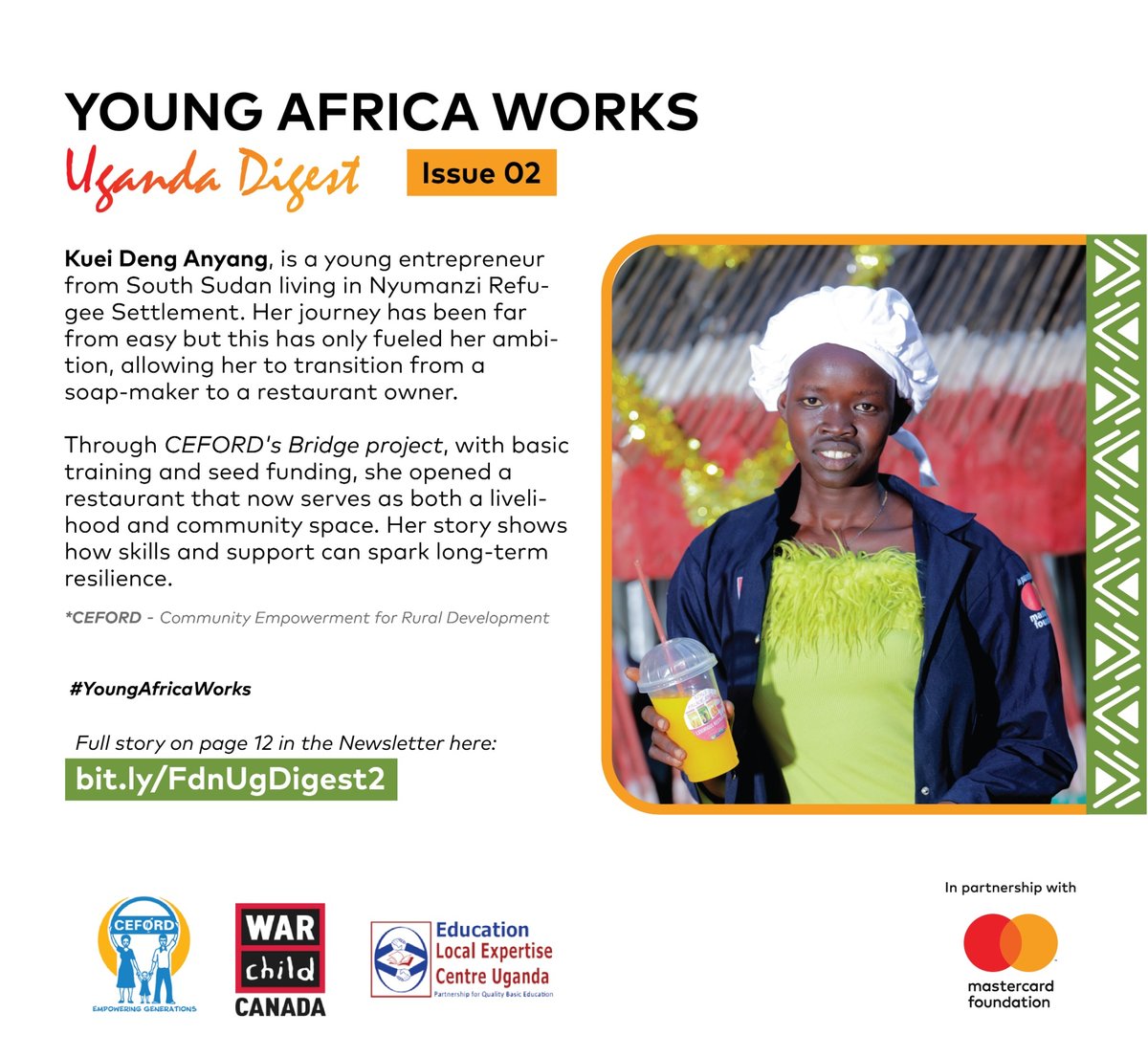
The Young Africa Works Disgest-Issue2 The Young Africa Works Digest Issue 2 is a publication of the Uganda ProgramCommunications Community of Practice, showcasing impact stories, insights, and programupdates from Mastercard Foundation initiatives in Uganda. This edition highlights the journeysof young entrepreneurs, students, and innovators across the country, from agribusiness anddigital inclusion to education and leadership. Featuring inspiring voices, program spotlights, andreflections on inclusion, the Digest provides a powerful glimpse into how youth-focusedinitiatives are transforming livelihoods, driving innovation, and shaping Uganda’s future. Readthe full newsletter here bit.ly/FdnUgDigest2 CEFORD is excited to be featured in this publication sharing Kuei Deng Anyang story of transformation through this partnership . Please read her story on page 12